AI Medical Patches: Your personal wearable doctor
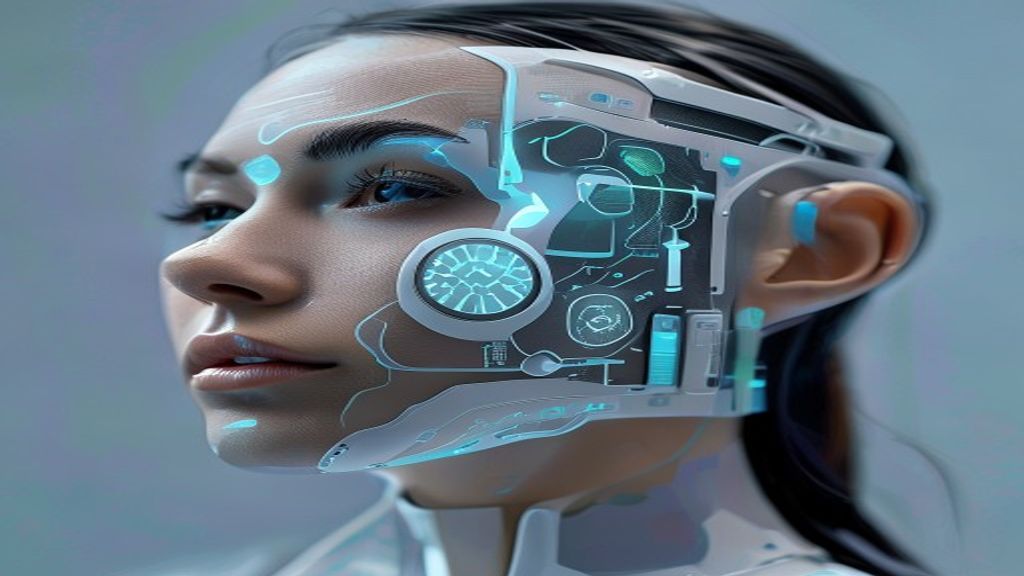
Medical AI patches: revolutionizing healthcare
Imagine having a doctor accompanying you around the clock, not sleeping, not forgetting, and monitoring every slight change in your body. This promise is no longer a kind of science fiction limited to future films, but rather a reality that is embodied before us today in an image Medical AI patches. These thin, often transparent strips that adhere seamlessly to the skin not only collect data passively, but also analyze them in real time to predict health crises before they occur. In this article, we will explore in depth how this revolutionary technology is redefining healthcare, moving medicine from reactive to preventative, and redefining vital signs monitoring like never before in the world of wearables.
In the past decade, we have seen a huge boom in many wearable devices such as smartwatches, sports bracelets, and health tracking rings. However, medical AI patches represent a paradigm shift that goes beyond anything we have known. Instead of wearing a device that may be uncomfortable while sleeping, require daily charging, or does not provide direct, stable contact with the skin, these patches provide a flexible alternative that adapts to body movement and adheres to the skin imperceptibly. Most importantly, it is equipped with advanced sensors capable of reading vital data with accuracy comparable to specialized and heavy medical devices used in hospitals and intensive care units.
How do medical AI patches work? In short, these patches rely on the combination of very fine sensors made of nanomaterials with built-in artificial intelligence (Edge AI) algorithms. The sensors measure heart rate, blood oxygen levels, core body temperature, and even analyze the chemical components in sweat. Once these readings are collected, the AI processes this data locally to detect any health anomalies and alert the user or doctor immediately. This direct response represents the core of innovation in this field, shortening the critical time between data collection and critical medical decision making.
Wearable devices revolutionize modern medicine
Wearable devices are no longer limited to simple tasks like those smart watches that count your daily steps or measure your basal heart rate. The new generation is flexible and comfortable smart patches that can be worn for days or even weeks without causing any irritation or discomfort to the skin. These patches represent a quantum leap in preventive medicine, providing continuous and precise monitoring instead of intermittent measurements that only occur when visiting a clinic or hospital.
Previously, healthcare and medical diagnosis relied on taking one-time readings, such as taking blood pressure or an ECG at that specific moment inside an exam room. The big problem with this outdated approach is that many complex medical conditions only develop symptoms at certain times or under specific conditions of physical or psychological stress. With artificial intelligence medical patches, every change in the body is recorded around the clock, day and night, during rest and during physical activity, providing the doctor with a comprehensive, realistic and detailed picture of the patient’s health condition.
This technology is particularly and exceptionally useful for patients with chronic conditions such as diabetes, high blood pressure, and heart and arterial diseases, where one minute of medical intervention means the difference between life and death or between recovery and permanent complications. The patch can constantly monitor blood sugar levels through sweat analysis, alert the patient before it reaches a state of severe decline or dangerous rise, or detect any slight disturbance in the heart rhythm and send an immediate signal to emergency services or the hospital following up on the case to save the patient’s life in a timely manner.
How does Edge AI technology work in patches?
One of the most important challenges facing smart medical technologies in the recent past is the constant need to send data to the cloud to analyze it and draw conclusions. This continuous process leads to significant consumption of small battery power, requires a continuous and reliable Internet connection, and causes a latency in response, not to mention serious concerns related to privacy and the security of sensitive health data from hacking. Here comes the role of edge computing as a genius and radical solution to these challenges.
By embedding tiny, energy-efficient artificial intelligence chips within the patch itself, vital data is analyzed instantly on your body, without the need to send every bit of information or heartbeat to remote servers. This means that the patch only sends necessary alerts or periodic summary reports via the Internet or Bluetooth, which greatly protects your privacy, saves processing power and communication tremendously, and ensures a longer battery life that may extend for weeks without the need for charging or replacement.
Local data processing using Edge AI means the patches can work very efficiently in environments that lack good network coverage, making them ideal and reliable for use in remote areas, during travel or in cases of natural disasters. Built-in AI constantly learns from your specific personal data, improving the accuracy of alerts over time, and reducing false alarms that may cause undue anxiety for the user or pointless fatigue for medical personnel.
Monitoring vital signs with unprecedented accuracy
The superior ability to monitor vital signs accurately and continuously is the essence of this revolutionary technology. Using advanced, flexible nanomaterials that stretch with the skin and adapt to the body's natural curves and movement, the built-in sensors can pick up very precise electrical signals from the muscles (EMG) and heart (ECG). Not only that, but the patches include precise chemical sensors capable of monitoring biochemical changes in sweat pores, to measure glucose levels, or monitor the hormone cortisol to measure stress, or even dehydration and the loss of essential salts and minerals for the body.
These sensors do not work in isolation from each other, but rather cooperate and integrate together to provide an accurate, comprehensive view of the user’s health. For example, a sudden change in heart rate may not necessarily mean a serious heart problem if you are exercising, but if this change is accompanied by an abnormal increase in sweating and a sharp drop in oxygen levels in the blood without significant physical exertion, artificial intelligence will analyze this combined and complex data to issue an accurate and immediate warning about the possibility of an imminent heart or respiratory attack.
This huge, rich data enables artificial intelligence to build a so-called “baseline” model that is unique to each individual’s health. What is considered a normal heart rate for a professional athlete may be a dangerous indicator for another person suffering from obesity or heart disease. By determining the normal levels for each individual individually, detecting any slight deviation from this individual normal level becomes a matter of extreme accuracy and speed, which strongly reinforces the concept of Personalized Medicine, where treatment and care are tailored to each person.
The future of health care and adoption challenges
Integrating these patches into the traditional medical system represents the cornerstone of shaping the future of healthcare for generations to come. Instead of waiting for clinical symptoms to appear, disease to worsen, and diagnosis to be delayed, we are moving steadily towards a purely proactive and preventive model, where health problems are dealt with in their infancy and before they require complex and expensive medical, surgical or pharmacological interventions. This radical transition will relieve the heavy financial and operational burden on overcrowded hospitals and global health systems, and significantly and sustainably improve people's quality of life.
But the path toward widespread adoption of this technology is not entirely smooth. There are many regulatory challenges related to strict medical regulations, such as obtaining approvals from the US Food and Drug Administration (FDA) and other regulatory authorities in various countries of the world. These procedures require extensive, long-term clinical testing to prove effectiveness, extreme accuracy, and complete safety for continued human use.
In addition to regulatory challenges, this innovative technology faces physical challenges related to the cost of production and manufacturing, to ensure that these plasters are available at affordable prices and available to everyone and not just a specific class. We cannot ignore the biggest security challenge, which is securing this highly sensitive health data from hacking or unauthorized use by third parties or insurance companies.
With the continued rapid development of artificial intelligence technologies, and the advancement of nanomaterials and biosensors science, it is highly expected that medical artificial intelligence patches will gradually overcome these challenges, becoming an essential tool in every home pharmacy and an integral part of our daily routine to maintain our health and safety.
Conclusion
AI medical patch technology represents one of the most amazing and important applications that integrate deep technology into our daily lives to preserve the most precious thing we have: our health and well-being. It undoubtedly takes us towards a bright future in which treatment is personalized, rapid, and most important of all, proactive. We are witnessing an era in which we are moving from simply treating diseases and trying to repair the damage to proactively maintaining health with an efficiency and effectiveness unprecedented in human history.
Follow the latest AI news on the AI Profit Hub — we cover all the amazing tech and medical developments, moment by moment. Do not miss the opportunity to follow everything new in the world of digital health and innovation, to always be informed about the future of technology that will change our lives.
Frequently asked questions
Are these smart medical patches safe for continuous daily use? Yes, smart medical patches are designed and manufactured using biocompatible and highly flexible nanomaterials. These materials are medically tested to ensure that they do not cause any allergies or irritation to the skin, and are specially designed to be worn comfortably and safely for long periods of time, extending for several days or even weeks at a time, without the slightest need to remove them, even during showering, exposure to water, exercise, or heavy sweating.
Can AI patches completely replace a visit to the doctor? No, smart patches are a very advanced aid for continuous monitoring and early warning. Its primary function is to assist the medical professional in making accurate and better decisions based on continuous and reliable data, but it does not and will not replace human diagnosis or professional medical intervention by qualified healthcare experts. It is an extra eye that never sleeps, and a very powerful tool in the hands of both the doctor and the patient to enhance care.
Is my personal health data safe when using AI medical patches? Thanks to the increasing and intelligent reliance on Edge AI technology, most of the sensitive health data on the microchip within the patch itself is processed and analyzed locally. Therefore, the entire stream of data is sent to the cloud only in minimal limits, such as sending necessary and encrypted alerts when there is a threat, which significantly reduces the risk of data breaches and ensures that the user's digital privacy is protected at all times.
Contrary to what is marketed in the advertising campaigns of technology companies, the real challenge in these smart patches is not limited to the accuracy of the sensors or the superior ability of artificial intelligence to analyze millions of vital data in a second. Rather, the biggest challenge lies in the psychology of the patient and the doctor together and how they interact with this torrent of data. Flooding doctors and nurses with thousands of false alerts or minor, non-serious indicators on a daily and continuous basis may inevitably lead to a dangerous phenomenon known as “alert fatigue,” where medical staff involuntarily begin to ignore the alerts due to their annoying and confusing repetition. The real indicator of the success and maturity of this revolutionary technology will be when we see artificial intelligence models capable of distinguishing with great accuracy and human intelligence between a natural, transient biological change (such as momentary stress) and a real emergency that requires urgent medical intervention, so that the patch becomes a smart and silent medical assistant that protects us in the background, without an annoying alarm bell that disturbs our comfort and distracts our doctors.