Intel Lunar Lake (Core Ultra 200V): How Intel Finally Beat ARM at Power Efficiency
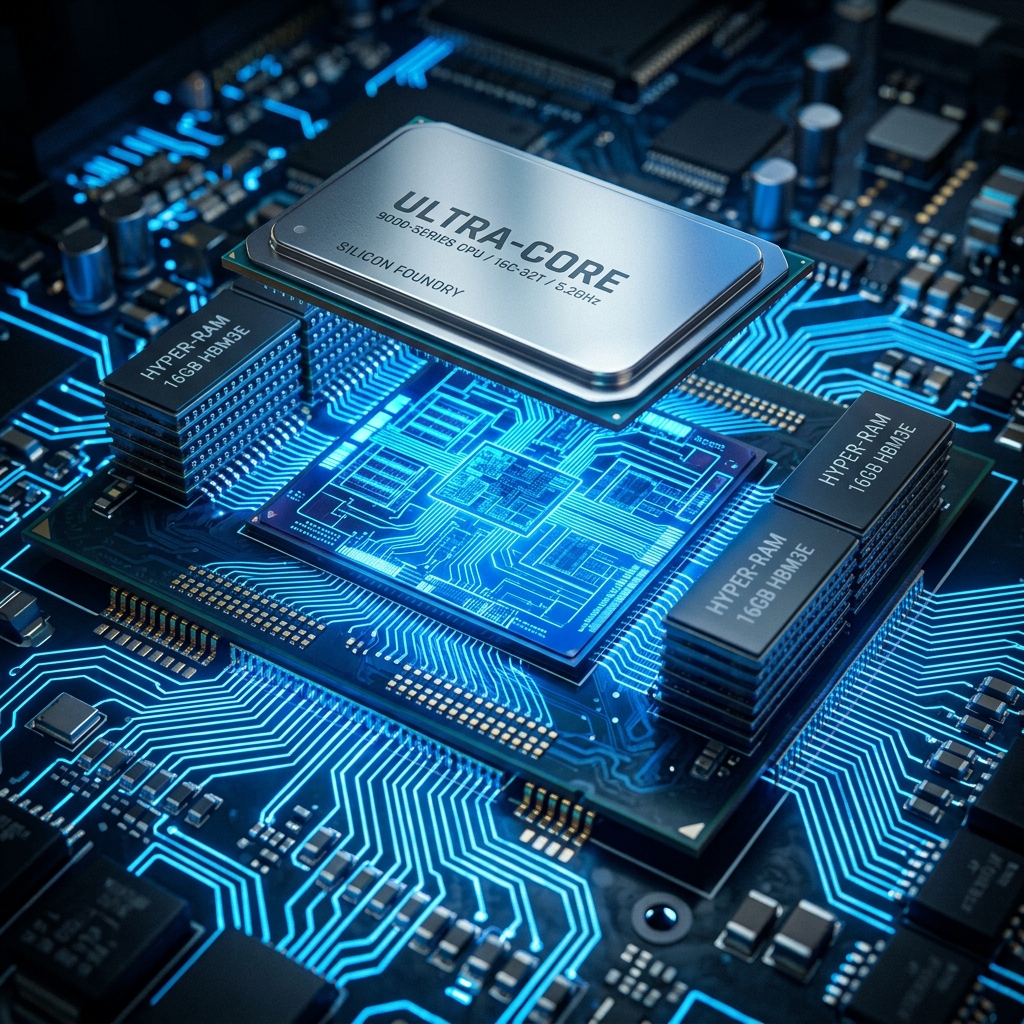
- Intel Lunar Lake marks a radical architectural departure by integrating LPDDR5X memory directly on the chip package.
- Lunar Lake delivers up to 20.1 hours of battery life, directly matching and sometimes beating Qualcomm Snapdragon X Elite and Apple M-series chips.
- Equipped with an NPU 4.0 that outputs 48 TOPS, the chip is fully certified for local Microsoft Copilot+ AI PC features.
- Its Xe2 integrated GPU (Battlemage) provides a massive 50% graphics performance boost over Meteor Lake.
The End of the x86 Battery Curse
For years, a fundamental compromise plagued the laptop market: if you wanted a Windows laptop with raw x86 application compatibility, you had to accept mediocre battery life. If you wanted day-long battery life, you had to switch to Apple Silicon or deal with the software compatibility hurdles of ARM on Windows. In 2026, Intel has shattered this paradigm with Lunar Lake (Core Ultra 200V), proving that x86 architecture can be just as efficient as ARM.
By completely redesigning the silicon layout and partnering with TSMC to leverage their cutting-edge N3B process node, Intel has achieved the holy grail of modern PC engineering: a thin-and-light laptop processor that runs cool, performs exceptionally well, and delivers over 20 hours of real-world battery life on a single charge.
Memory on Package: Borrowing Apple's Secret Weapon
The most striking design choice in Lunar Lake is the integration of system memory (LPDDR5X) directly onto the chip package. Similar to Apple's M-series architecture, this eliminates the need for long motherboard traces to separate RAM slots.
By shortening the physical distance data must travel between the CPU cores and the memory, Intel has cut memory power consumption by nearly 40%. The drawback is that RAM is non-upgradable—laptops come pre-configured with either 16GB or 32GB on the package. However, the performance benefits are massive, providing lower latency, increased bandwidth, and a smaller overall motherboard footprint.
No More Hyper-Threading: A Bold Bid for Efficiency
In another radical departure, Intel has removed Hyper-Threading from Lunar Lake. Traditionally, Hyper-Threading allowed a single CPU core to run two software threads simultaneously, boosting multi-core speed at the cost of higher power draw and silicon complexity.
For Lunar Lake, Intel decided to focus on raw single-thread instructions per clock (IPC) efficiency. The chip features 4 Lion Cove performance cores (P-cores) and 4 Skymont efficiency cores (E-cores). The new Skymont E-cores are so powerful that they match the IPC performance of Intel's older P-cores while consuming a fraction of the power. Without Hyper-Threading, the processor runs much cooler and uses significantly less battery while keeping daily tasks snappy.
NPU 4.0 and Battlemage Graphics: Ready for Local AI
With the transition to "AI PCs," Lunar Lake includes a completely redesigned Neural Processing Unit (NPU 4.0) delivering 48 TOPS (Tera Operations Per Second) of local AI performance. This allows users to run local Large Language Models (LLMs), real-time translations, and image generation on-device without relying on cloud services or draining battery.
On the graphics side, Lunar Lake debuts the new Xe2-LPG graphics engine based on Intel's long-awaited "Battlemage" GPU architecture. Testing reveals up to a 50% improvement in graphics over the previous Meteor Lake generation, making Lunar Lake-powered laptops competent gaming machines for titles like Hades II or Cyberpunk 2077 at optimized settings.
Intel Lunar Lake is the most exciting x86 processor in a decade. Intel was backed into a corner by Apple Silicon and Qualcomm's Snapdragon X Elite. Instead of doing what they usually do—pushing clock speeds and thermals to the limit—they stopped and redesigned the CPU for pure efficiency. If you are looking for a new Windows ultrabook in 2026, Lunar Lake should be at the top of your list.
Frequently Asked Questions

Hussein — AI Profit Hub
Daily AI news, tool reviews, and practical guides. Follow AI Profit Hub for everything happening in artificial intelligence.