Theker just raised $85M to build the factory robot that doesn't specialize in anything
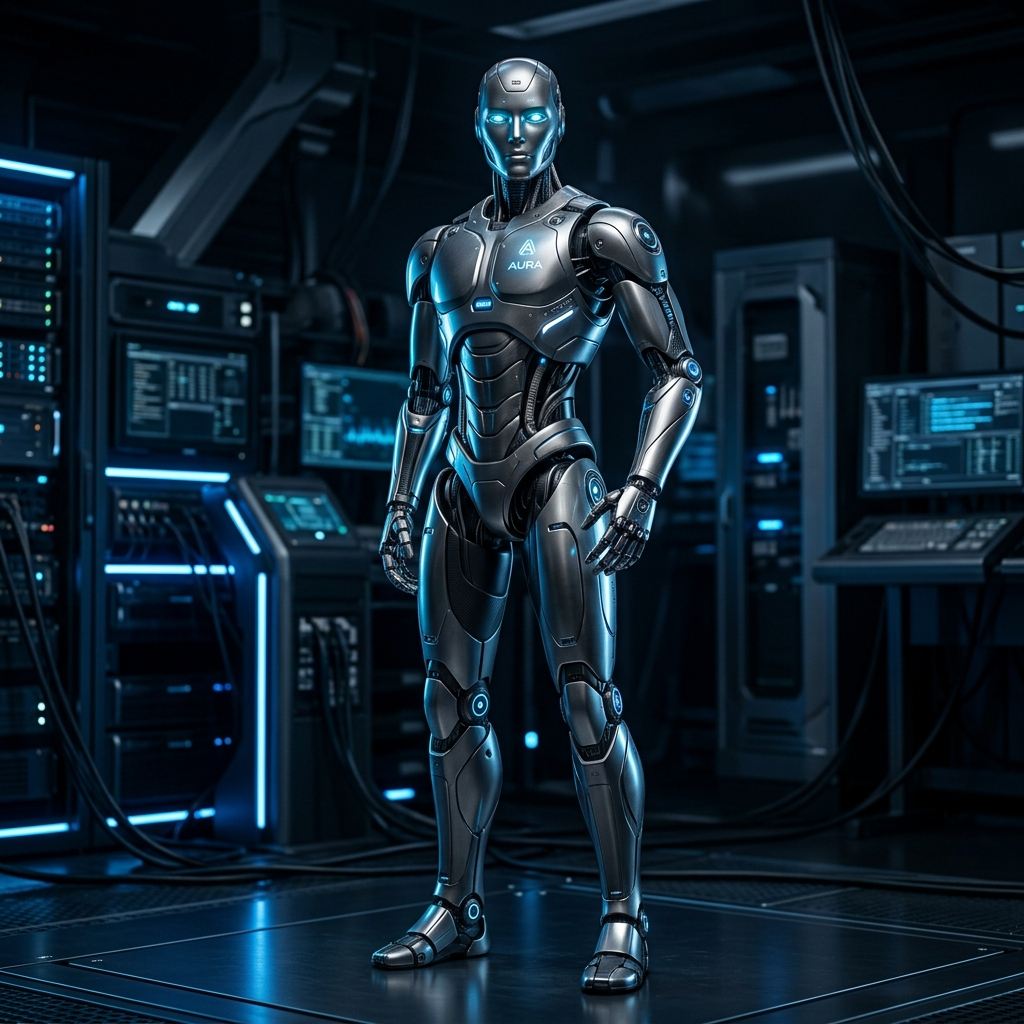
- Core Update: Explore the latest news about Theker just raised $85M to build the factory robot that doesn't specialize in anything.
- Key Technologies: Focuses on developments in ChatGPT.
- Industry Impact: Forget the images of sleek, specialized humanoid robots doing backflips or dancing that often dominate our feeds.
Forget the images of sleek, specialized humanoid robots doing backflips or dancing that often dominate our feeds. While those are certainly impressive feats of engineering, a new player just landed a massive $85 million investment not for a robot built to specialize in anything, but for one designed to specialize in everything.
Yes, you read that right. Theker, a name you'll likely be hearing a lot more of, has just secured a significant funding round to build factory robots that are fundamentally reconfigurable. This isn't just a tweak; it's a paradigm shift in how we think about automation on the factory floor, and it has profound implications for the future of manufacturing.
The Generalist Emerges: Theker's Vision for the Factory Floor
For years, the dream of advanced factory automation has often been tied to highly specialized machines. Think of an assembly line where each robot performs one specific, repetitive task with incredible precision. While efficient for mass production of a single item, this approach comes with significant drawbacks. Retooling an entire factory for a new product can be incredibly expensive and time-consuming, a bottleneck that stifles innovation and agility.
This is where Theker steps in, challenging the status quo with an entirely different philosophy. Unlike the fixed-form humanoid robots we often see in the news – the kind designed with a specific body shape and movement capabilities in mind – Theker's machines are built from the ground up to be reconfigured. Imagine a robot that isn't locked into being an "arm" or a "gripper" or a "welder," but can adapt its physical form and function to suit the task at hand. It's a modular approach that promises unprecedented flexibility.
This $85 million investment isn't just about building more robots; it's about pioneering a new generation of adaptable, intelligent machines. This isn't just hardware; it's the intelligent software, the AI, that allows these robots to understand new configurations, learn new tasks, and perform them efficiently. It's about moving from rigid automation to fluid, on-demand manufacturing.
Why Adaptability is the New Gold Standard in Automation
In a world where consumer demands are constantly shifting, supply chains are increasingly fragile, and the need for personalized products is growing, the traditional factory model is showing its age. Companies need to be able to pivot quickly, produce smaller batches of diverse products, and respond to market changes without incurring massive retooling costs or downtime.
Theker's approach directly addresses these challenges. By creating robots that can be physically reconfigured and reprogrammed with relative ease, factories gain an incredible advantage. Think about:
- Reduced Downtime: Instead of waiting for new specialized machinery or extensive retooling, a factory could simply reconfigure its existing Theker robots for a new task.
- Greater Flexibility: Manufacturers can produce a wider variety of products, handle custom orders, and even switch between different product lines more seamlessly. This opens up possibilities for smaller businesses to compete more effectively.
- Lower Capital Expenditure Over Time: While the initial investment might be significant, the long-term cost savings from not needing to buy entirely new specialized robots for every new product line could be enormous.
- Enhanced Resilience: In an unpredictable world, the ability to quickly adapt production lines means factories are better equipped to handle disruptions, whether from supply chain issues or sudden shifts in demand.
This isn't just about efficiency; it's about empowering businesses to innovate faster and respond more dynamically to the market. It's a testament to how AI, when integrated into hardware, can unlock capabilities we only dreamed of a few years ago. Here at AI Profit Hub, we've always highlighted the power of adaptable AI solutions, and this is a prime example of that philosophy in action.
What This Means for You
Whether you're a business owner, an employee, or simply a consumer, Theker's innovation has tangible implications for your future. For businesses, especially small to medium-sized manufacturers, this technology could be a game-changer. Imagine being able to prototype and produce new products without the prohibitive costs of custom automation. It levels the playing field, making advanced manufacturing accessible to more players and fostering greater innovation.
For employees in manufacturing, this shift doesn't necessarily mean job displacement, but rather a transformation of roles. The need for highly specialized robot operators might decrease, but the demand for skilled workers who can configure, program, and maintain these adaptable systems will undoubtedly rise. It creates opportunities for new kinds of technical expertise and problem-solving skills – a trend we're tracking closely at AI Profit Hub as part of the evolving AI job landscape.
And for us, as consumers? This could mean a future with more personalized products, faster delivery times, and perhaps
Frequently Asked Questions
This is exactly the kind of story I track daily at AI Profit Hub. The AI landscape shifts fast – understanding these developments early is what separates those who lead from those who follow. Stay subscribed for the latest every morning.

Hussein – AI Profit Hub
Daily AI news, tool reviews, and practical guides. Follow AI Profit Hub for everything happening in artificial intelligence.