Table of Contents
- 1. Introduction: Lux Capital Leads $30M Round for 1001
- 2. Defining Sovereign AI: Regional Operating Systems
- 3. Strategic Value: Securing Critical Gulf Infrastructure
- 4. Global Trends: Infrastructure Independence & Compute Borders
- 5. The Sovereign AI Ecosystem: Comparative Overview
- 6. Frequently Asked Questions (FAQ)
? Key Takeaways
- 1. Introduction: Lux Capital Leads $30M Round for 1001
- 2. Defining Sovereign AI: Regional Operating Systems
- 3. Strategic Value: Securing Critical Gulf Infrastructure
- 4. Global Trends: Infrastructure Independence & Compute Borders
- 5. The Sovereign AI Ecosystem: Comparative Overview
1. Introduction: Lux Capital Leads $30M Round for 1001
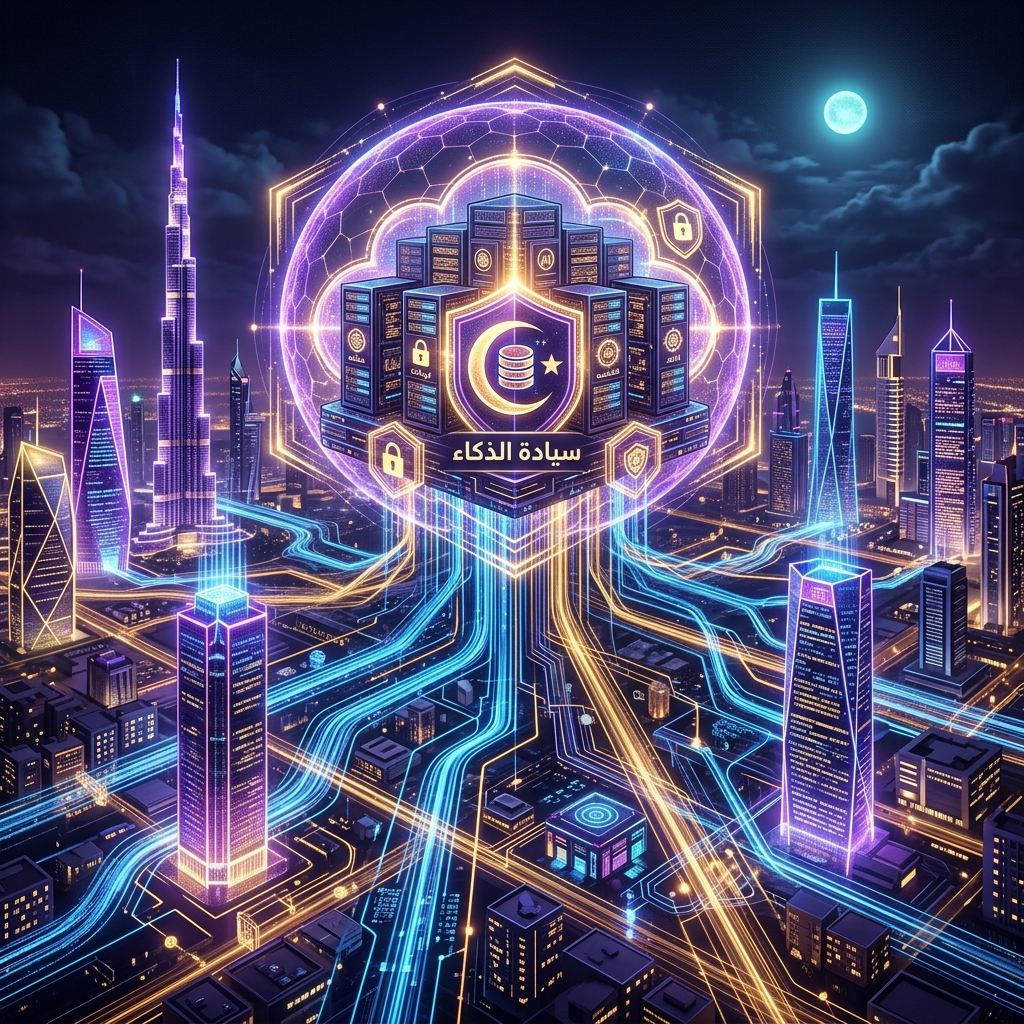
Sovereign AI startup **1001**, based in London and the GCC, has officially announced a **$30 million Series A** funding round. The round was led by Lux Capital, with participation from Sanabil Investments, General Catalyst, and other global venture capital firms. The funding is allocated to build local, localized generative models and sovereign AI operating systems for the Gulf region.
This capital deployment aligns with a broader industry transition. As consumer systems integrate tools like Apple Intelligence 2.0 Siri AI, Figma's native Code Layers, and ElevenLabs' mobile GenFM podcasts, infrastructure development is focusing on localized, secure cloud systems. While foundation research advances via Claude Fable 5, GPT-5.6 Sol, and Suno and Udio audio tools, sovereign startups are building secure, fenced boundaries for critical data.
2. Defining Sovereign AI: Regional Operating Systems
Sovereign AI refers to a country or region's capacity to build, train, and deploy AI models using local data, infrastructure, and workforce. 1001—s operating systems are designed to process sensitive government and municipal data locally, preventing data transfers to external servers and protecting national data sovereignty.
3. Strategic Value: Securing Critical Gulf Infrastructure
The GCC region is investing heavily in digital infrastructure, smart cities, and automated public administration. 1001's operating systems target critical sectors—including utilities, banking, logistics, and government administration—by offering secure, on-premise execution layers that protect system security from external disruptions.
4. Global Trends: Infrastructure Independence & Compute Borders
Sovereign computing has become a priority as global chip boundaries tighten, highlighted by the U.S. Cloud Security Act's loop rules and the EU AI Act's upcoming transparency guidelines. By building regional compute infrastructure, GCC nations are protecting their digital ecosystems from shifts in international export controls.
5. The Sovereign AI Ecosystem: Comparative Overview
To understand the differences between sovereign architectures and standard public clouds, consider the following parameters:
6. Frequently Asked Questions (FAQ)
Q: What is 1001?
A: 1001 is a GCC- and London-based startup that builds secure, sovereign AI operating systems for government agencies and critical regional infrastructure.
Q: Who led the $30M Series A funding round?
A: The funding round was led by Lux Capital, with participation from Sanabil Investments and General Catalyst.
Q: Why is Sovereign AI important for the Gulf?
A: It allows GCC nations to utilize advanced AI models while ensuring sensitive data remains within local boundaries and complies with regional safety rules.
?? Editor's Opinion: Hussein Harby
"The $30M funding for 1001 underscores the growing importance of sovereign AI. As countries seek to protect their digital ecosystems, relying solely on global cloud providers is becoming a strategic vulnerability. By developing local computing systems, the GCC is establishing itself as a key hub for secure, regional AI development."
Related Articles
- Apple Intelligence 2.0: Siri AI and Generative Upgrades Unveiled at WWDC 2026
- Suno vs. Udio in 2026: The Ultimate AI Music Production Showdown and Legal Settlements Explained
- ElevenLabs Launches GenFM and Offers Free ElevenReader Ultra to Students and Professors
- Figma Config 2026: Design Agent with MCP Support, Code Layers, and Motion Canvas Unleashed
- Anthropic Releases Claude Fable 5 and Mythos 5 Under Mythos-Class Tier, Redefining Frontier Model Benchmarks
- OpenAI Previews Next-Gen GPT-5.6 Series (Sol, Terra, Luna) as It Announces Retirement of o3 and GPT-4.5
- US Introduces Bipartisan "Cloud Security Act" to Close GPU Loophole and Block Chinese Access to Advanced AI Compute