
NVIDIA just did it again. The company that started as a gaming graphics card maker has posted $81.6 billion in quarterly revenue – with a staggering $75.2 billion coming from its data center division alone. To put that in perspective: NVIDIA's data center revenue in a single quarter now exceeds the annual revenue of companies like Nike, Starbucks, or Goldman Sachs.
?? In This Article
- The Numbers That Shocked Wall Street
- Who's Buying All These Chips?
- The Vera Rubin Generation
- The Risks No One Wants to Talk About
- What This Means for You
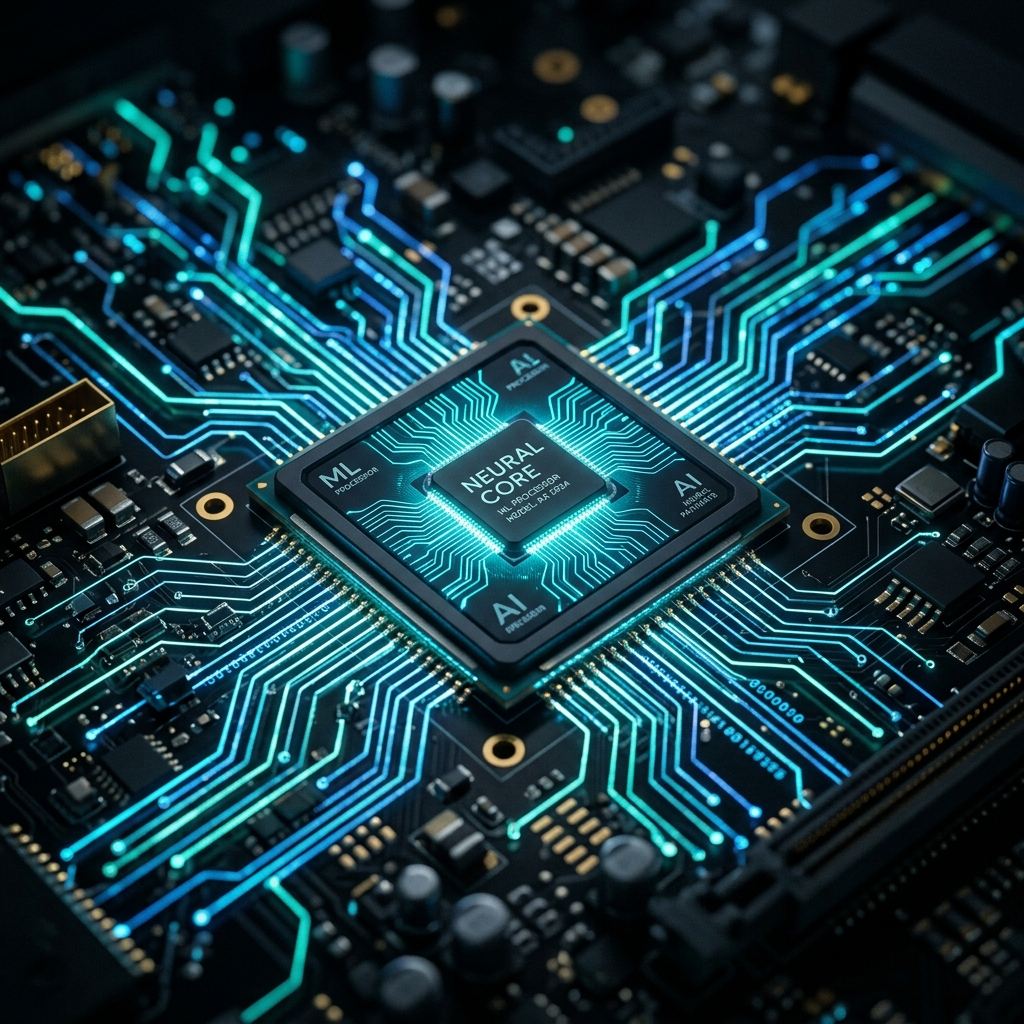
These aren't just impressive numbers. They tell the story of an entire industry's dependency on a single company – and raise serious questions about what happens when the world's AI infrastructure relies on one chipmaker.
The Numbers That Shocked Wall Street
| Metric | Q1 FY2027 | Q1 FY2026 | Growth |
|---|---|---|---|
| Total Revenue | $81.6 billion | $44.1 billion | +85% |
| Data Center Revenue | $75.2 billion | $39.2 billion | +92% |
| Gaming Revenue | $3.8 billion | $3.6 billion | +6% |
| Gross Margin | ~72% | ~78% | -6pp |
The numbers reveal a company that has effectively transformed from a hardware vendor into the utility company of AI. Just as every factory needs electricity, every AI company needs NVIDIA GPUs. And they're willing to pay premium prices for them.
Who's Buying All These Chips?
The insatiable demand for NVIDIA's AI accelerators comes from three main categories:
1. Hyperscalers (The Big Spenders)
Microsoft, Google, Amazon, and Meta are in an unprecedented AI infrastructure arms race. Each is building massive data centers filled with NVIDIA's H200 and Blackwell GPUs:
- Microsoft: Spending over $80 billion annually on AI infrastructure, primarily using NVIDIA chips to power Azure AI and Copilot services.
- Google: While developing its own TPU chips, still relies heavily on NVIDIA for training frontier models like Gemini.
- Meta: Just laid off thousands of employees partly to redirect budget toward AI hardware – primarily NVIDIA GPUs for training Llama models.
- Amazon: AWS remains one of NVIDIA's largest customers, offering GPU instances to thousands of AI startups.
2. AI Startups (The Hungry Innovators)
Companies like OpenAI, Anthropic, and xAI are each spending billions on NVIDIA hardware. Anthropic alone reportedly signed a $15 billion per year deal for data center access – and much of that goes toward NVIDIA-powered compute.
3. Government and Intelligence Agencies
Perhaps most surprisingly, the US intelligence community has entered the GPU race. Reports indicate the White House approved a $9 billion budget for the CIA and NSA to purchase cutting-edge NVIDIA chips, after intelligence agencies realized they lack the computing power to run the latest AI models for national security applications.
The Vera Rubin Generation
NVIDIA confirmed that its next-generation Vera Rubin AI platform is on track for the second half of 2026. Named after the astronomer who proved the existence of dark matter, the Vera Rubin chip promises:
- 2-3x performance improvement over current Blackwell architecture for AI training.
- Improved energy efficiency – critical as data center power consumption becomes a global concern.
- Enhanced interconnect technology for linking thousands of chips together in massive AI training clusters.
The Risks No One Wants to Talk About
NVIDIA's dominance, while impressive, creates systemic risks for the entire AI industry:
Single Point of Failure
When one company controls 80%+ of the AI chip market, any disruption – supply chain issues, export restrictions, natural disasters at fabrication facilities – could halt AI progress globally. TSMC in Taiwan manufactures most of NVIDIA's chips, adding geopolitical risk to the equation.
The Competition Question
Competitors are trying to catch up, but the gap remains enormous:
- AMD's MI300: Gaining traction but still holds single-digit market share.
- Google's TPUs: Powerful but only available within Google's ecosystem.
- Microsoft's Maia 200: Designed to reduce Azure's dependency on NVIDIA.
- Amazon's Trainium: Custom AI chips for AWS, still early stage.
- Huawei's Ascend: China's answer, limited by US sanctions on manufacturing equipment.
What This Means for You
NVIDIA's dominance has a direct impact on your life, whether you realize it or not. Every time you use ChatGPT, Google Gemini, or any AI service, you're using NVIDIA hardware. The cost of those chips is baked into the subscription prices you pay. And as NVIDIA's margins suggest, you're paying a premium for a near-monopoly.
The good news: competition is coming, and efficiency improvements mean AI costs are falling. The bad news: the AI infrastructure build-out is consuming enormous amounts of energy, driving up electricity prices in some regions, and diverting memory chips from consumer products.
?? NVIDIA is the most important company in AI – and possibly in the world right now. Follow AI Profit Hub for market analysis and AI industry coverage!
? Frequently Asked Questions
?? Related Articles


Founder of AI Profit Hub. I explore AI tools, test them hands-on, and break down complex technology into practical, actionable guides. My goal is to help you work smarter using the best AI has to offer.